




Your credit score is a key indicator of your financial health. Those three numbers help lenders, landlords, and even some employers understand how likely you are to repay borrowed money.
The most commonly used credit score model, FICO, ranges from 300 to 850. An excellent score (generally 800 or higher) can help you qualify for larger loans, lower interest rates, and other opportunities, while a poor score (typically below the high 500s) can make it harder to borrow, build wealth, or reach major life goals.
If you want some help understanding the factors at play with your credit score, check out our Credit Basics resource.
Now, let’s walk through practical ways to boost your credit score.
1. Pay every bill on time
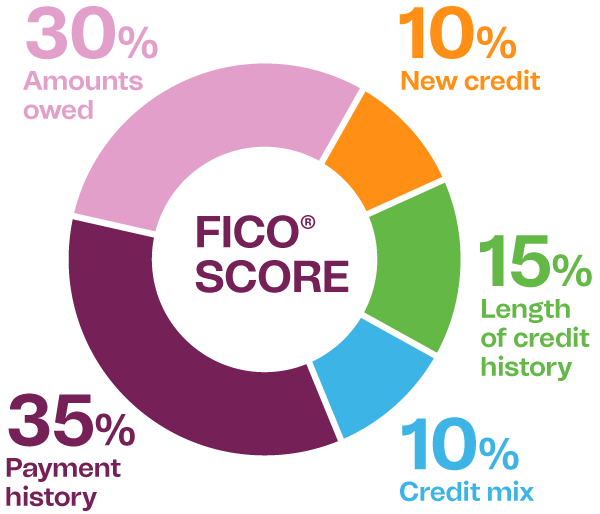
Payment history is the single biggest factor in most credit score models. Even one late payment can hurt your score, while a long pattern of on time payments helps it.
Set up reminders or automatic payments so bills are paid on or before the due date, and make sure the account you’re paying from has enough funds. If you’ve missed payments in the past, focus on building a new streak of on time payments going forward.
2. Keep your credit utilization low
Your credit utilization ratio is the share of your available credit that you’re using. Keeping this number low shows you’re not over reliant on credit.
Aim to use less than 30% of your total available credit, and under 10% if possible. You can lower utilization by paying down balances more than once a month, spreading purchases across cards you already have, or carefully accepting a higher credit limit if you know you won’t use it to overspend.
3. Increase payments on your existing debt
Paying down revolving balances (like credit cards) can give your score a meaningful lift over time. Review your budget to see where you can cut back or add income, and direct that extra money toward your highest priority debts.
You can use strategies like the snowball method (tackling your smallest balances first) or the avalanche method (targeting the highest interest rate first). The more you consistently reduce your balances, the better your utilization and overall credit picture will look.
 source: myfico.com/credit-education/whats-in-your-credit-score
4. Use credit cards strategically—not avoid them
Completely avoiding credit cards can make it harder to build or maintain a strong credit history. Instead, focus on using a small number of cards in a thoughtful way.
If you’re just getting started, a beginner or starter card with a low limit can help you establish history. Otherwise, aim to maintain a few open, well managed accounts and use them regularly for modest purchases you can pay off in full each month.
💡Tip: Put a small, recurring bill (like a subscription or membership) on each card, then set up automatic payments from your checking account to cover the full balance every month. This keeps your cards active, builds a positive payment history, and helps you avoid interest and late fees.
Avoid opening several new credit cards in a short period of time. Multiple new accounts can lower the average age of your credit history and may be viewed as higher risk by lenders.
5. Understand what else affects your score
Beyond payment history and credit utilization, other factors can also influence your score:
- Length of credit history: A longer history gives lenders more data about how you manage credit.
- New credit and inquiries: Several new accounts or hard inquiries in a short window can temporarily lower your score.
- Mix of credit types: Responsibly managing different kinds of accounts—like credit cards, car loans, and mortgages—can be helpful.
You don’t need every type of account, but maintaining a healthy mix that fits your life can support your score over time.
6. Review your credit reports and monthly statements
Check your credit reports regularly to make sure everything is accurate and that no accounts have been opened in your name without your knowledge. You can get free reports from each of the major credit bureaus every year at AnnualCreditReport.com.
Reviewing your monthly statements can also help you spot unusual charges early and keep your balances in check. Since lenders, insurers, and some employers may review your credit, staying on top of your reports is an important part of your financial wellness.

Your credit score is your financial report card. It shows lenders how reliable you are—learn how to improve it over time.

Learn how credit cards work and how to use them responsibly to build credit.

Your mindset shapes your money decisions. Learn to overcome mental roadblocks and make smarter choices.
The information provided is accurate as of the publication date and is for educational purposes only and doesn’t constitute financial, tax, legal, or accounting advice. It is to be considered as general information, not recommendations. Please consult with an attorney, financial, or tax professional for guidance.
Subject to membership eligibility requirements. Loans subject to credit approval. Borrower must be a resident of Indiana or Michigan, and for home loans property must be in Indiana or Michigan. All credit union programs, rates, terms, and conditions may change without notice.