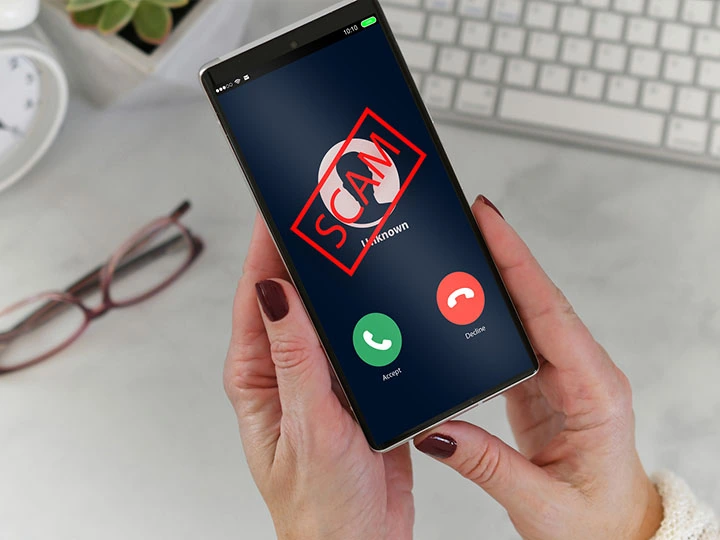
It often begins with an unexpected message
You receive a text stating a purchase was made on your debit card. A call comes in claiming there’s a problem with your account. An email pops up asking you to verify your password.
These types of messages are designed to get your immediate attention and then a quick reaction. Fraudsters can spoof real phone numbers or create convincing copies of websites you recognize and trust.
Their goal is to get you to click on a link, give personal information, share a security code, or provide easy access to your account.
How to protect yourself: Don’t use the contact information or any links provided by an unexpected message. Instead, visit the official website or call a trusted phone number to verify the legitimacy of the message request.
Fraudsters create a sense of urgency
Pressure is a common tactic in fraud.
You may receive a message claiming your account has been compromised, you owe money, you missed a payment, or something bad will happen if you don’t act immediately.
The urgency is intentionally placed on the target as fraudsters don’t want you to have time to think twice, ask any questions, or run it by someone else.
How to protect yourself: Slow down. Legitimate organizations would allow you time to verify the situation. If you’re feeling pressured to make a quick decision, you have a reason to be cautious.
They impersonate people and organizations you trust
Fraudsters can imitate your financial institution, government agencies, law enforcement, utility companies, known businesses, or even your neighbor.
Advanced technologies have made scams even more convincing than before. Familiar names and numbers can appear on your screen, but that doesn’t mean it’s real.
How to protect yourself: Verify who is calling. If the caller claims to be a representative from your financial institution, hang up and call the number listed on the back of your card or taken from its official website.
They ask for information that should be private
Fraudsters can conduct research and find information about you well before they attempt to make contact with you. This information is often gathered from data breaches, social media, or other sources.
They may already know enough about you to sound convincing. What they’re looking for is often the one missing piece of information they need to access your account.
Always be cautious when someone asks for:
- Online banking usernames or passwords.
- One-time codes or authentication codes.
- Debit or credit card information.
- Social Security numbers.
- Member, account, or routing numbers.
- Other sensitive personal or financial information.
How to protect yourself: Never provide sensitive information to a person contacting you out of the blue. If you are unsure about the nature of a call or message, end the conversation and contact the financial institution yourself.
Fraudsters convince you to move your own money
Fraud doesn’t always involve someone gaining direct access to your account. Fraudsters may try to convince you to move the money yourself.
A scammer may tell you that moving money will protect your account, pay off a debt, help someone in an emergency, or secure an investment opportunity. They may ask you to use gift cards, cryptocurrency, wire transfers, or peer-to-peer (P2P) payment apps, where recovering the money can be more difficult.
How to protect yourself: Be extremely cautious if someone is directing you to move or withdraw your money. Never send money to someone you don’t know or haven’t independently verified.
Scammers build on trust
Some fraudulent actions are developed over several days, weeks, or even months. Romance scams, investment scams, job scams, and other scams can rely on building a relationship before money ever enters the conversation.
By the time the fraudster asks for money or information, the target may no longer think of the fraudster as a stranger and they may be more inclined to act on their directions.
How to protect yourself: If money becomes a part of an online relationship or unexpected opportunity, stop and talk it through with someone you trust. You can also contact your financial institution for another perspective before sending any money.
What to do if you think you’re a target
My biggest piece of advice is simple – don’t be embarrassed, and don’t wait to ask for help.
Fraudsters are professionals at manipulating people. Falling for a convincing message doesn’t mean you weren’t being careful, and what matters the most is taking action quickly to remedy things.
If you may have shared sensitive information, sent money to a scammer, clicked on a suspicious link, or noticed activity you didn’t do, contact your financial institution immediately. You may also need to change passwords, secure affected accounts, or take other steps depending on what information was compromised.
Even if you’re not 100 percent sure something is fraudulent, reach out. Your financial institution would much rather help you investigate something suspicious before money leaves your account.
Stop, question, and verify
While tactics used by fraudsters change, the behaviors behind them stay eerily similar.
Fraudsters want to gain your trust. They want you to feel rushed. And most importantly, they want you to act before you have any time to question what’s happening.
Taking your time to confirm who you’re talking with could be the step that keeps a convincing scam from becoming a costly one.