




With the right tools and a little bit of guidance and discipline, this has a chance to be your best financial year yet! We’re starting your financial wellness journey with practical, easy-to-follow tips on tracking your spending and building a budget you can stick to. It takes attention and consistency, but the payoff is well worth it.
Step One: Track Your Spending
You can’t build a budget until you know where your money really goes each month. With prices still fluctuating in 2026 and more subscription services than ever, it’s smart to take a closer look at your everyday spending.
Here’s how to get started:
1. Pick your tracking method.
Use a budgeting app, spreadsheet, or even pen and paper – whatever keeps you consistent. Some people love the envelope method while others prefer digital dashboards. The best tool is the one you’ll actually use.
2. Review your income and expenses.
Check your pay stubs, bills, and account statements regularly. You can easily review transactions and spending with your Everwise debit and credit cards through Everwise Mobile and Online Banking.
3. Categorize your spending.
Sort purchases into categories like groceries, transportation, entertainment, or subscriptions. Be sure to include automatic charges you might overlook—like streaming services, insurance payments, or app renewals.
4. Don’t forget cash.
If you’re still using cash for everyday purchases, write it down as you go. Cash expenses can disappear quickly if you’re not recording them.
Once you’ve tracked your spending for a full month, you’ll have a clear picture of where your money is going. That’s where the next step comes in.
Step Two: Create (and Stick to) Your Budget
A budget isn’t about restriction—it’s about giving your money direction. And once you’ve got your spending tracked, building one is easier than you think.
Here’s a simple approach to budgeting in five steps:
1. Add up your total monthly income and expenses.
If you’ve already tracked your spending using step one above, you’ve got a head start!
2. List your needs.
Focus on essentials like rent or mortgage, utilities, groceries, and emergency savings. Think of this as your financial foundation.
3. List your wants.
These are the “nice-to-haves”—things like dining out, streaming subscriptions, or hobbies. They make life enjoyable, but they shouldn’t derail your goals.
4. Assign dollar amounts to each category.
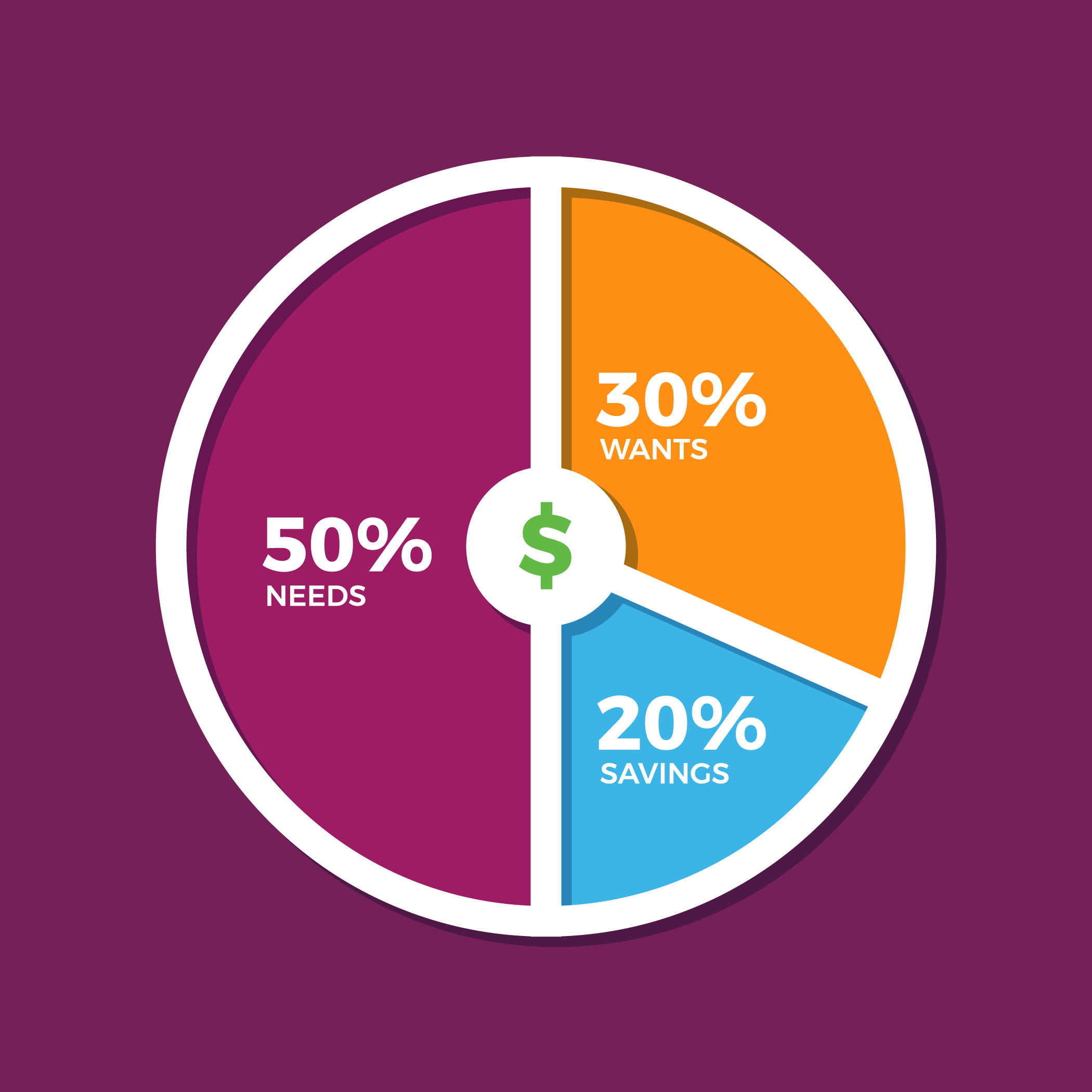
Start with needs, then wants, and make sure your plan fits within your monthly income. Try the 50/30/20 approach: about 50% for needs, 30% for wants, and at least 20% for savings or debt payoff.
5. Check in regularly.
Small changes—like rising prices or seasonal bills—can throw off your plan. Review your budget every few months and adjust as needed to stay on track.
Building better financial habits doesn’t happen overnight, but every step forward helps. The more you track and plan, the more control you’ll gain over your money—and your future.

Take control of family finances with practical budgeting and planning basics.

Building dedicated emergency savings helps you stay prepared and feel more confident when the unexpected arises.
The information provided is accurate as of the publication date and is for educational purposes only and doesn’t constitute financial, tax, legal, or accounting advice. It is to be considered as general information, not recommendations. Please consult with an attorney, financial, or tax professional for guidance.
Subject to membership eligibility requirements. Loans subject to credit approval. Borrower must be a resident of Indiana or Michigan, and for home loans property must be in Indiana or Michigan. All credit union programs, rates, terms, and conditions may change without notice.