




September is National Preparedness Month, and a great reminder that being prepared goes beyond having a plan for emergencies. Financial preparedness matters, too. Building an emergency fund can help create a cushion for unexpected expenses for things like home maintenance, car repairs, loss of income, and more. No matter how much you start with, consistently setting money aside can help you feel more prepared for whatever comes next.
So far on our Financial Wellness Journey, you’ve learned how to track your spending and design a monthly budget and create a plan for paying down debt. Now it’s time for the next step: learning how to pay yourself first.
“Pay yourself first” means making your own savings a top priority—not something you only do if there happens to be money left at the end of the month. Treat savings as a fixed line in your budget that happens every payday, on purpose, every time.
1. Revisit your budget
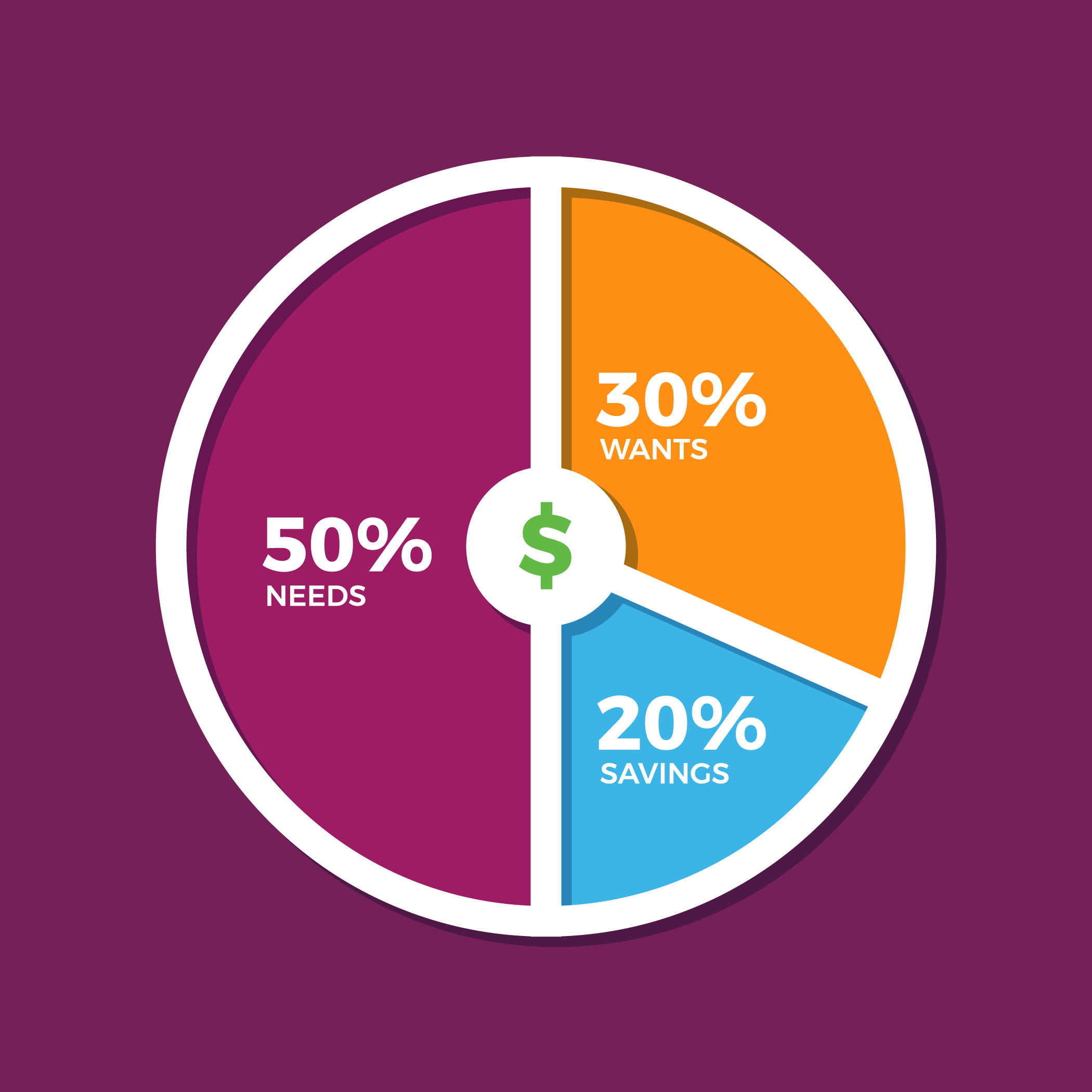
Start by looking at how your money is currently allocated. One helpful framework is the 50/30/20 budget: about 50% of your after-tax income for needs, up to 30% for wants, and at least 20% for savings or debt payoff. Think of this as a starting point and adjust it based on your income, expenses, and financial goals. You can always revisit step one of our Financial Wellness Journey for more on building a monthly budget.
2. Define short- and long-term goals
Give your savings a job to do by deciding what you’re actually saving for.
- Short-term goals might include building an emergency fund, a small “rainy day” cushion, or money for near-term expenses like travel or a new phone. While a common long-term goal is to save enough to cover three to six months of essential expenses, you don't have to get there all at once. Starting with a smaller, manageable amount can still provide a helpful financial cushion.
- Long-term goals can include retirement, a future home down payment, a new car, a career break, or other big-ticket dreams that are several years away.
Once you’ve listed your goals, narrow them down to what feels realistic right now and assign a dollar amount to each.
3. Set timelines for each goal
Now connect each goal to a time frame. Decide when you’d like to reach your emergency fund target, when you want that vacation funded, and how you’ll build toward retirement over time.
Depending on your financial situation, you may choose to prioritize building your emergency fund while continuing to contribute toward retirement and other goals. You might direct most of your savings toward your emergency fund until it’s fully funded, then shift more toward other short- and long-term goals. If you have access to a workplace retirement plan, such as a 401(k), or are considering an IRA, consider talking with your human resources department or a financial or tax professional about the options available to you.
4. Figure out your monthly savings amounts
With targets and timelines in place, calculate what you need to save each month. Take the total amount for each goal and divide by the number of months in your timeline. For example, if you want to build a $3,000 emergency fund over two years, divide that amount by 24 months to get $125 per month. That's your monthly savings target for that goal.
Repeat this for each goal, then check how the totals fit into your budget. Remember that long-term savings may earn interest or dividends over time, which can help you reach your goals faster. Building your emergency fund alongside your other savings goals can help keep an unexpected expense from setting back your progress.

Start saving, keep growing.
Whatever you’re saving for, we’re here to help. Explore our savings products, including options that earn interest and grow with you.
Learn how different savings accounts grow your money and help reach financial goals. Take this short online module to learn more.
Building dedicated emergency savings helps you stay prepared and feel more confident when the unexpected arises.

Learn about the benefits, potential risks, and the decision-making process for opening a certificate.
*APY = Annual Percentage Yield. APY accurate as of last dividend declaration date. Rate may change after the account is opened.
Boost High-Yield Savings:
+Dividend Qualifications: Dividends will be paid monthly on your Boost Savings account balance if you have direct deposits totaling at least $2,000 going into a consumer checking account (excluding HSAs) under the same Everwise membership as the Boost Savings during the prior dividend period. Dividends will be paid automatically for the first two (2) dividend periods starting from the account opening date. After the first two initial dividend periods, dividends will be paid based upon meeting the Boost Dividend Qualifications. If you do not meet the Boost Dividend Qualifications no dividends (0.00%) will be paid.
The information provided is for educational purposes only and doesn’t constitute financial, tax, legal, or accounting advice. It is to be considered as general information, not recommendations. Please consult with an attorney, financial or tax professional for guidance.
Subject to membership eligibility requirements. Loans subject to credit approval. Borrower must be a resident of Indiana or Michigan, and for home loans property must be in Indiana or Michigan. All credit union programs, rates, terms, and conditions may change without notice.