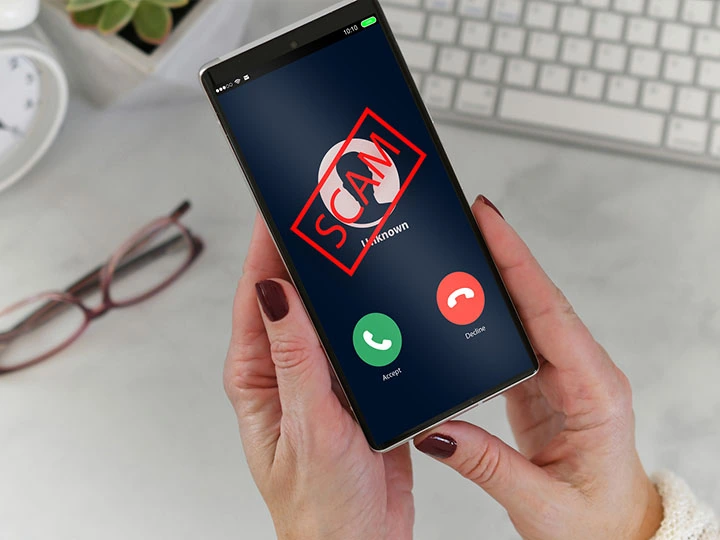
Every day looks a little different
There really isn't a typical day in Fraud Investigations.
Our team spends its time reviewing fraud alerts, investigating suspicious activity, analyzing information, and helping Everwise employees identify transactions or situations that may need a closer look.
When something doesn't look right, we start gathering information. We may review account history, look at transaction patterns, and compare the activity with what we know about the account.
We're often looking for something that doesn't fit a member's normal behavior. That could be an unusual transaction amount, a sudden change in spending, activity from an unfamiliar location, or money moving in a way that's inconsistent with the member's history.
Sometimes fraud leaves obvious clues. Other times, it's more like putting together a very complicated puzzle.
If we determine action is needed, we work quickly to help secure the account, restrict services when necessary, and contact the member. There's often much more happening behind the scenes than most people realize, but the goal is simple: stop fraud as quickly as possible while minimizing inconvenience to the member.
The scams are getting more convincing
Fraud tactics are always changing, but one of the biggest changes we've seen in recent years is the use of artificial intelligence.
Fraudulent emails and text messages used to be easier to recognize. Poor grammar, misspelled words, or awkward wording could be a sign that something wasn't right.
Those clues aren't as reliable anymore.
AI can help fraudsters create polished emails, convincing text messages, and realistic phone scripts that make scams much harder to recognize. They can create stories designed to build trust or make someone feel afraid, excited, or pressured to act quickly.
Fraudsters can be professional manipulators. They understand human behavior and know how to create fear, excitement, urgency, or trust to get someone to act.
That's why falling for a scam doesn't mean someone was careless. Many victims are intelligent, cautious people who simply encountered a scammer on their best day.
We never want a member to feel embarrassed about asking for help. If something feels off, we'd much rather have a conversation before money is lost.
Some warning signs keep showing up
The details of a scam may change, but many of the warning signs stay the same. A sense of urgency is one of the biggest.
Fraudsters often pressure people to act immediately, keep something secret, or move money quickly. We also commonly see requests involving gift cards, cryptocurrency, wire transfers, or payments to someone the member has never met in person.
Another major warning sign is being told not to involve your financial institution.
If someone says, "Don't tell your bank," that's usually a pretty good indication your financial institution should be told.
Taking a few minutes to stop and question what you're being asked to do can make a big difference.
When fraud happens, time matters
One of the hardest parts of our job is seeing the impact fraud can have on a member.
The loss isn't always just financial. Members may feel embarrassed, angry, violated, or overwhelmed after realizing they've been deceived.
Our team works to provide support, explain what happens next, and determine what options may be available. Unfortunately, there are situations where money can't be recovered, and those conversations are never easy.
That's why we encourage members to contact Everwise as soon as they suspect something is wrong. The sooner we know what's happening, the sooner we can review the situation and take steps to help protect the account.
It also helps to save anything connected to the suspected fraud, including emails, text messages, screenshots, and receipts. Those details can help us piece together what happened.
The more pieces of the puzzle we have, the better.
One piece of advice: Slow down
After everything I've seen working in fraud investigations, there's one piece of advice I find myself giving over and over:
Slow down.
Fraudsters want people to act quickly before they have time to think, verify what's happening, or ask questions.
That's why I like to remind members to:
Pause. Reflect. Protect.
If someone is creating urgency, demanding secrecy, or unexpectedly asking for money or personal information, pause before doing anything. Verify the situation using a phone number, website, or other source you already know and trust.
Taking five extra minutes to confirm something is legitimate can save months of stress and financial loss.
And if you're ever unsure, contact Everwise.
We'd much rather spend five minutes helping you confirm something is legitimate than five weeks investigating a scam.