




Congratulations—you’ve reached the final step of your financial wellness journey! In this step, we’ll share tips for turning everything you’ve learned into ongoing habits, revisiting each part of the journey so you can keep your financial life in good shape.
Use these tips to make financial wellness part of your routine:
1. Set reminders
Use calendar alerts or money apps to remind yourself to review your budget, credit report, and retirement accounts on a regular schedule.
- Budgets: Plan to review and adjust every few months so your spending plan still fits your current income, prices, and life events.
- Credit Reports: Check each of your three credit reports at least once a year to confirm the information is accurate and that no new accounts have been opened in your name. You can request free reports annually at annualcreditreport.com.
- Retirement Accounts: If you’ve opened retirement accounts at work or on your own, set aside time each month to review contributions and performance. Use our Retirement Income Calculator to help you see whether you’re on track to generate the income you’ll need later.
2. Use visual aids
Place simple visual reminders where you’ll see them daily—a whiteboard, sticky notes, or a note on your phone lock screen. These prompts can nudge you to check in on: your budget, credit score, debt payoff progress, or savings goals (like a new car, vacation, or other short and long term targets). A few encouraging words in your own voice can go a long way.
3. Automate your budget and savings goals
Let technology do some of the work for you. Budgeting tools can automatically track expenses and categorize transactions, helping you see where your money goes and where you might free up cash for extra debt payments.
You can also automate deposits into your Everwise Savings Accounts so you don’t have to remember to move money every payday. Consider opening separate savings accounts for different goals, then set up automatic transfers from checking into each one every month.
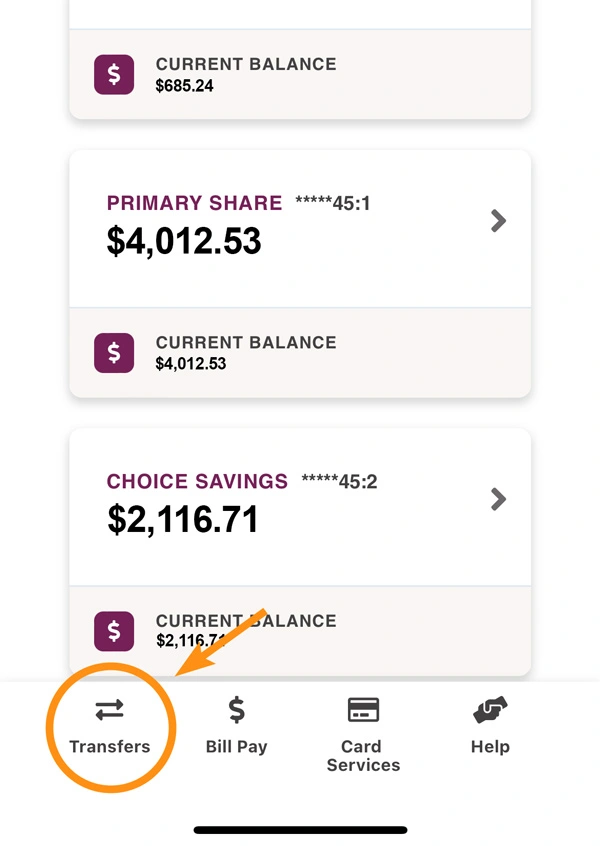
Find Transfers at the bottom of the Home Screen on mobile. On desktop, Transfers can be found at the top.
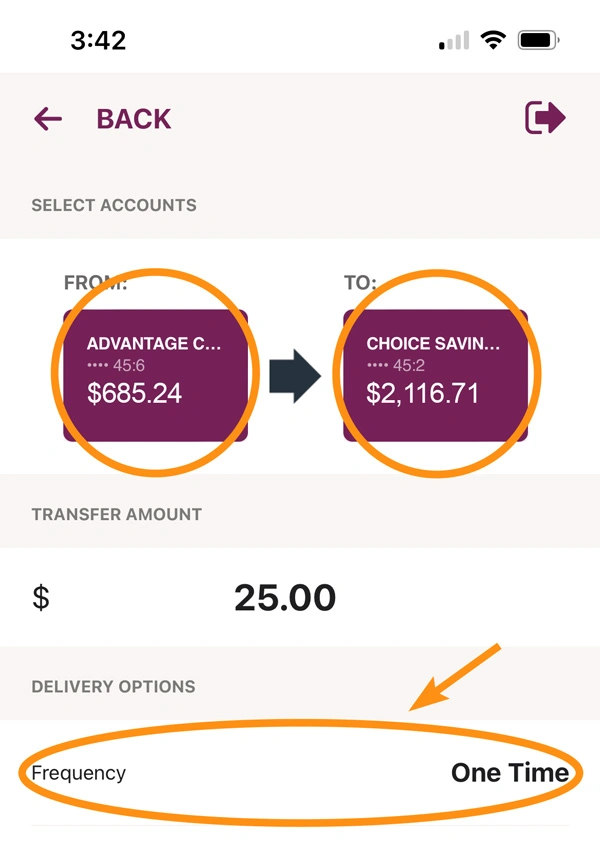
Make sure to include a checking account in the From option and a savings account in the To option. Next select the transfer amount and frequency.
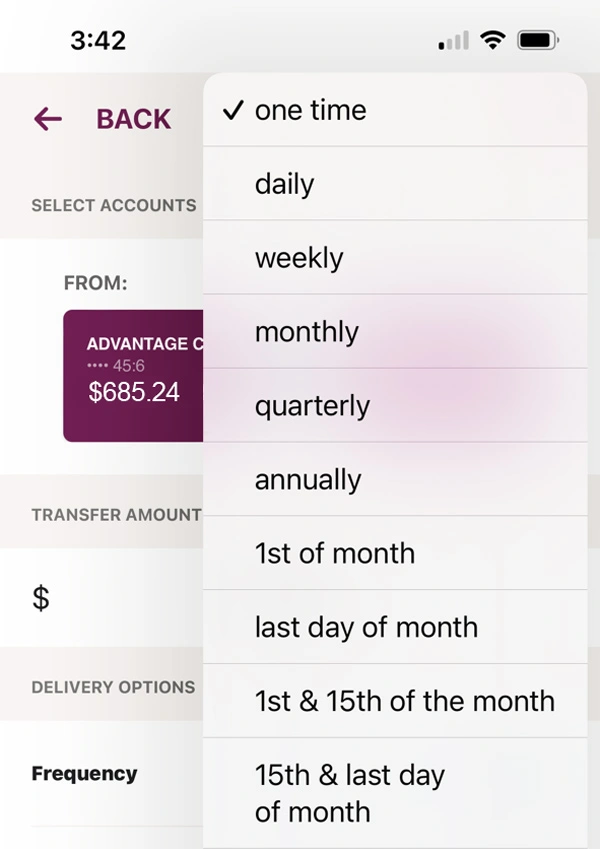
There are many frequency options to choose from.
4. Make it part of your routine
Consistency is key. Tie your financial check ins to habits you already have, like your Sunday planning time, a weekly coffee, or the first workday of each month. Even 10–15 minutes on a regular basis can keep you on track.
5. Involve others
If you have a partner, kids, or other family members involved in your finances, invite them into the conversation. Sharing your goals and progress can keep everyone aligned and help you support each other. For ideas and conversation starters, explore our free online module on Family Conversations about Money.
6. Track your progress
As you review your budget, credit, and retirement accounts, keep a simple record of your progress. You might track:
- Debt balances going down
- Savings balances going up
- Credit score changes over time
Seeing your numbers improve can be very motivating and reinforces the habits you’re building.
7. Reward yourself
Add some built-in rewards for sticking with your financial routine. That might mean treating yourself to a coffee, a low cost outing, or a favorite activity after hitting a milestone—like paying off a card or reaching a savings goal. Just be sure to keep rewards reasonable so they support your progress instead of slowing it down.
8. Reflect and adjust
Life changes, and your financial plan will need to change with it. Take some time to reflect on what you’ve learned, what’s working, and what feels stressful or outdated. Adjust your goals, budget, and systems as needed so they continue to fit your life.

This is just the beginning.
Thank you for joining us on your financial wellness journey. While this series wraps up here, your personal journey will continue for many years to come. With regular check‑ins and a few smart habits, your financial picture can keep getting brighter.
The information provided is accurate as of the publication date and is for educational purposes only and doesn’t constitute financial, tax, legal, or accounting advice. It is to be considered as general information, not recommendations. Please consult with an attorney, financial, or tax professional for guidance.
Subject to membership eligibility requirements. Loans subject to credit approval. Borrower must be a resident of Indiana or Michigan, and for home loans property must be in Indiana or Michigan. All credit union programs, rates, terms, and conditions may change without notice.